






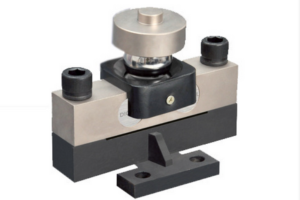
Analogue load cells are the most common solution. The output of analogue load cell is a continuous millivolt (mV) signal proportional tothe applied load. Further processing and Analogue-to-Digital (A-to-D) conversion is done in the indicator. Analogue load cells can easily be paired with a variety Of digital indicators across multiple brands. The load cells are further differentiated by design e.g. Compression, Shear-beam type
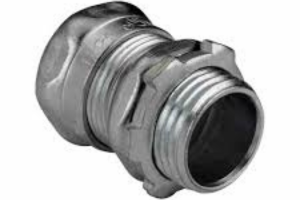
Also known as canister type due to shape of its housing, these are the most popular choice for weighbridges in India. Compression type load cells using self-aligning (rocker) mounting enable the structure to float freely on the load cells. Excellent sealing and environmental protection is feasible. It is recommended to go for IP68 (immersion) and IP69K (pressure cleaning) certified products and with stainless steel construction for longer useful life

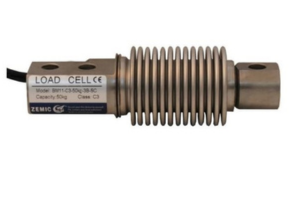
Available as single or double ended shear beam (the latter being more common in weigh bridges), this type of load cell can offer slightly lower profile and less sensitivity to side-loads, but often with poorer sealing (potted) and corrosion resistance (alloy steel). These load cells are more advantageous in silo/vessel weighing where rigid connections and head-room constraints are an issue as compared to a vehicle weighbridge where sealing and protection are very important.
Keep in mind that accuracy of a load cell has no relation to it being analogue or digital, compression or shear-beam type. All of these canoffer an accurate and dependable solution, provided the load cell fulfils the accuracy criteria as set by the relevant certifying bodies (e.g. OIML R60 for India). Insist on approval certificates rather than conformance assertions

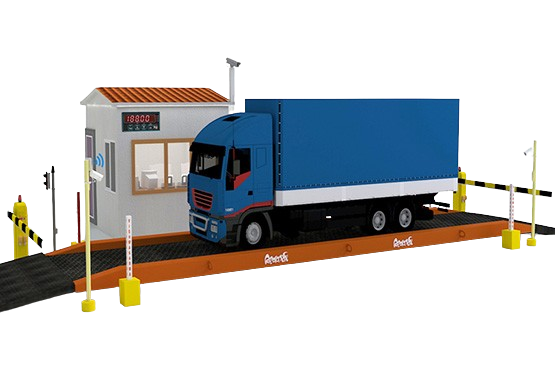

SIGNAL STRENGTH:- Strain gauge signals arise with analog electrical voltages, but in this type of load cell they are internally converted to digital signals. A digital signal is much stronger for long transmissions.
SIGNAL CONTENT:- A digital load cell transfers data from each load cell and uses a binary language, like computers. Binary information is safe from distrubance of radio signals, electromagnetism and temperature. It is more stable than analog signal.
Advantages
* Easy to troubleshoot
* Software corner adjustments